
Migration from legacy CMS: Move to Next.js, Astro, Strapi or WordPress
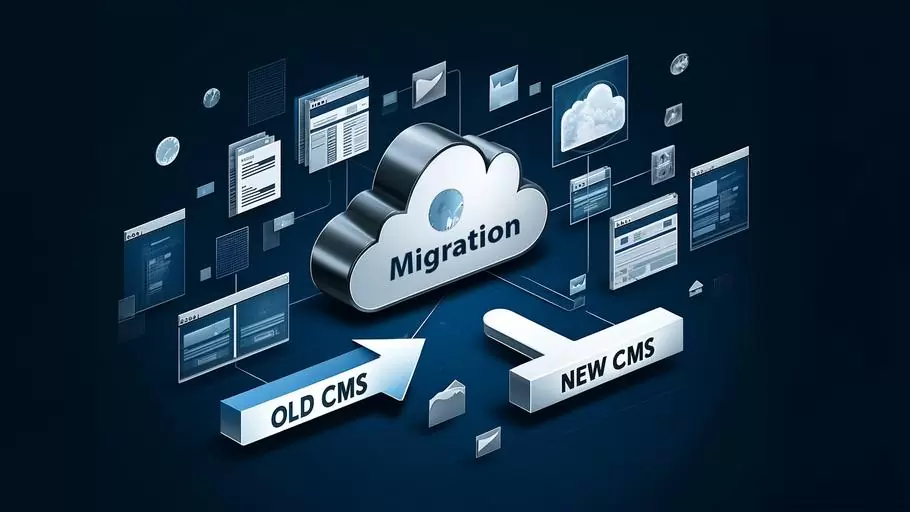
At 1Fix.me, we specialise in smoothly migrating websites from any platform to our advanced web solutions, often based on modern frontend frameworks such as Next.js or Astro. We ensure a seamless transition to a more efficient, modern infrastructure that can integrate with CMS systems such as Strapi or WordPress.
Smooth Migration Process
Our migration process is designed to be as seamless as possible, integrating new solutions under the existing structure of your website. This method allows for gradual phasing out of old code, minimising business disruptions and maintaining continuity for your users.
Overview of Data Migration Strategies
We ensure that data from your website’s old databases is meticulously transferred to new databases using direct migration methods. If direct migration is not possible, we use technological solutions to parse structural data directly from the website. In cases where data is well organised, unique, and has a logical DOM structure, we can also perform manual data transfers, preparing them for import into modern CMS systems (such as Strapi or WordPress), which will then power dynamic frontends built with technologies like Next.js or Astro.
Direct Database Migration
This preferred method involves transferring data directly from your website’s old database to the new database. While this approach is fast and efficient, preserving data integrity, it can also involve complex transfers where data restructuring is necessary to match the new CMS (e.g. Strapi or WordPress). This may require modifying data schemas or transforming formats to ensure compatibility and functionality in the new system.
Parsing Structural Data from the Website
If direct database migration is not feasible, perhaps due to compatibility issues or access restrictions, we move to extracting data directly from the website. This process involves parsing structural data from web pages with repetitive and consistent DOM structures. We use automated scripts or tools to systematically read and extract this data, which is especially valuable when direct database access is limited or unavailable.
Manual Data Transfers
When a website does not have a repetitive or consistent DOM structure, manual data transfer may be required. This labor-intensive method involves manually selecting and moving data to ensure accuracy and integrity, especially when automated methods could compromise detail or context. Manual transfer is essential for handling complex data layouts or when specific, valuable data must be meticulously preserved.
Handling Unsupported CMS Systems
In cases of CMS platforms that do not support smooth migration, such as proprietary systems, we can divide your website’s content into manageable segments. These segments, such as blog posts, catalogues, or e-commerce platforms, can then be individually migrated to subdomains within a structured migration strategy, preparing the ground for a modern frontend, e.g. based on Next.js or Astro.
Partial Migration Development
We offer the development of partial migrations where practical and technically feasible. Platforms like Shopify allow frontend connections through APIs, and we can also develop custom API services to connect new frontends (e.g. built with Next.js or Astro) to old CMS systems. This approach is particularly beneficial for systems with extensive internal infrastructure, such as CRM systems or other auxiliary APIs, ensuring smooth business operations after migration.
SEO Considerations During Migration
During the migration process, website structure often changes, which may potentially affect search rankings. To mitigate this, we implement proper redirects from old pages to new ones, ensuring no loss of site visibility and preventing users from encountering 404 errors. This approach helps maintain the SEO value of old URLs.
We pay special attention to website SEO structure. We ensure correct implementation of essential SEO elements such as Title tags, Meta Descriptions, and image alt attributes. In addition, we integrate structured data using standards such as Open Graph and Schema.org to improve visibility and context of pages in search results. For different types of pages – whether blog posts, service pages, product pages, or personal profiles – we use Schema.org to clearly communicate the purpose of each page to search engines, including elements such as reviews.
Additionally, for local businesses, we implement Schema.org LocalBusiness markup to provide key company information and its geographical service area, further optimising the website for local SEO.
Client Involvement and Strategy Development
Our migration process begins with a comprehensive consultation to understand your specific needs. We then dive into the structure of your existing website to develop a tailored action plan, prioritising critical issues first and gradually addressing less urgent ones.
Long-Term Support and Technology Stack Flexibility
Our solutions leverage modern technologies such as Strapi, Next.js, Astro, TypeScript, and JavaScript, ensuring long-term support and scalability. When necessary, we are also open to considering other technology stacks to achieve optimal results tailored to your needs, including proven systems such as headless WordPress.
Summary
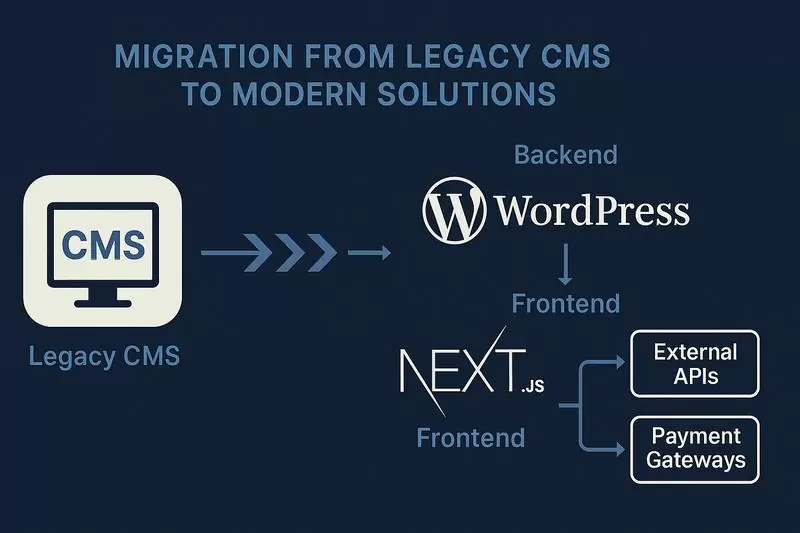
Migration to modern solutions such as WordPress or Strapi as a backend, combined with frontends built on Next.js or Astro, not only strengthens your online presence but also positions your digital operations for future growth and innovation. Contact us today to get a detailed plan for transforming your web applications with our state-of-the-art solutions.

Contact us to schedule a consultation
Frequently Asked Questions (FAQ) about Website Migration
-
What does website migration to modern solutions involve?
Website migration is the process of moving your existing site to a more modern infrastructure or platform. At 1Fix.me, we specialise in migration to efficient frontends (e.g. Next.js, Astro) combined with flexible CMS systems (e.g. Strapi, WordPress in headless mode), ensuring better performance, security, and scalability.
-
Why should I migrate my current website?
Migration to modern solutions offers many benefits, such as significantly faster loading times, improved search engine ranking (SEO), increased security, easier content management, scalability, access to modern features, and better user experience (UX).
-
Which platforms and technologies do you support for migration?
We specialise in migration to solutions that use Next.js and Astro as frontend technologies and Strapi and WordPress (in headless mode) as CMS platforms. We also use TypeScript and JavaScript, adapting the tech stack to the specific needs of each project.
-
How long does the website migration process usually take?
The migration timeline depends on factors such as the size and complexity of the site, the amount of data to transfer, the technical condition of the current site, and the scope of custom features. After an initial analysis, we provide an estimated schedule.
-
What happens to my data during migration?
The security and integrity of your data are our top priorities. We apply different data migration strategies, including direct database migration, structured data parsing, or manual transfers if necessary, to ensure careful and accurate migration to the new system.
-
Will migration negatively impact my SEO?
We pay close attention to SEO during migration. We implement proper redirects (301), ensure correct structure of Title tags, Meta Descriptions, and alt attributes, and apply structured data (Schema.org, Open Graph) to minimise the risk of ranking or visibility loss in search engines.
-
Can you migrate from any CMS platform?
We have experience migrating from a wide range of CMS platforms. For systems that don’t support easy migration (e.g. proprietary platforms), we can use partial migration or content segmentation strategies, as well as develop custom API solutions to connect with the old system.
-
What does the "headless" approach mean in CMS migration?
The "headless CMS" approach means separating the content management layer (backend, e.g. Strapi, WordPress) from the presentation layer (frontend, e.g. Next.js, Astro). Content is delivered via API, providing greater flexibility, security, and performance in building user interfaces.
-
What core technologies do you use for migration and new website builds?
Our solutions rely on modern, proven technologies such as JavaScript, TypeScript, frontend frameworks like Next.js and Astro, and headless CMS systems such as Strapi and WordPress. We focus on scalability and long-term support.
-
What are the first steps if I want to start migration with 1Fix.me?
The first step is to contact us for a comprehensive consultation. This helps us understand your needs and analyse your current site. Based on this, we create a tailored action plan and migration strategy, starting with the most critical issues.